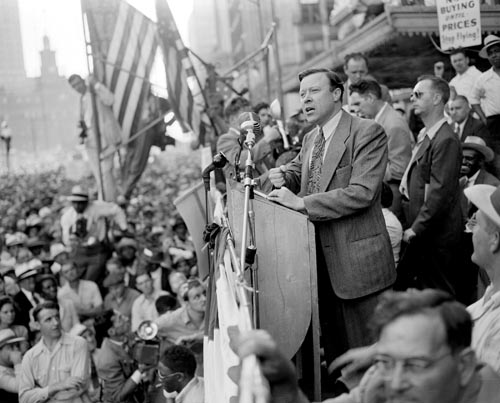
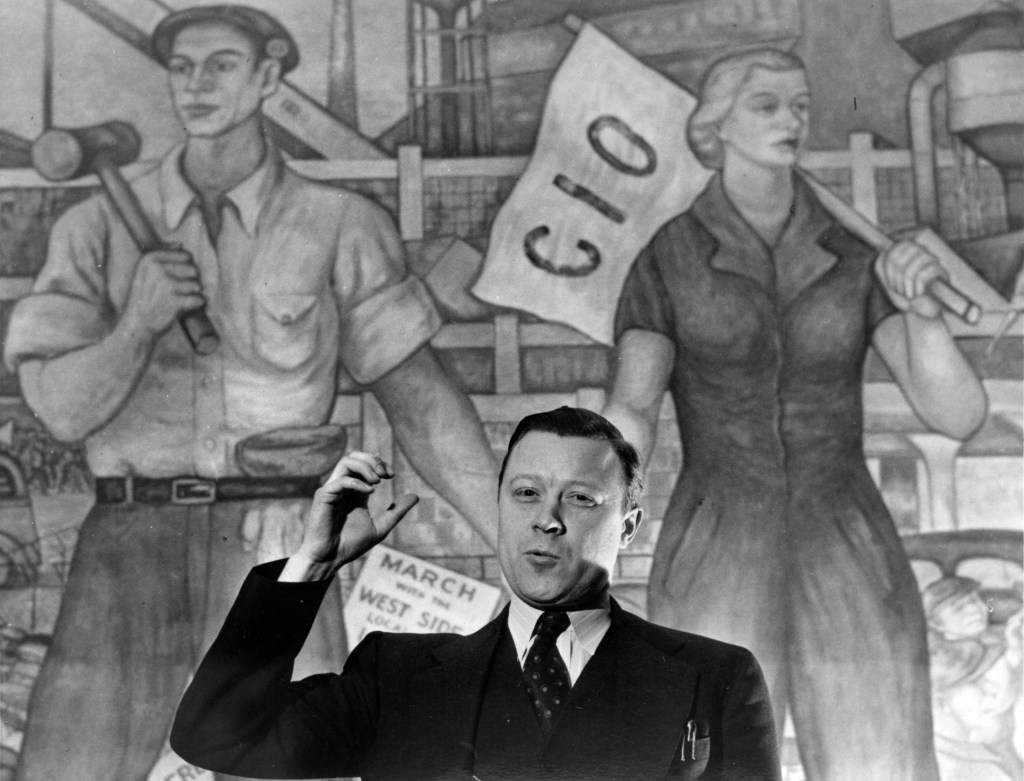
Walter Reuther’s name has faded from popular memory. Today, many younger people may not know who he was, though in his day, his influence rivaled that of presidents and corporate titans. To the conservative and reactionary forces in the U.S., he represented something rare in American life: a mass movement rooted in working-class power, social justice, international solidarity, and civil rights activism.
Endorsements for The Assassination of Walter Reuther: Why They Did It, How We Know:
“Very illuminating…you make a strong case for foul play.”
Jeremy Kuzmarov, CovertAction Magazine
Rob McKenzie uncovers the smoking gun, revealing the hidden secret behind fathers assassination, and the deaths of mother and four others in the fatal crash of the sabotaged plane.
Elisabeth Reuther Dickmeyer
…raises the most serious questions that [this] was not an accident, but an act of sabotage.
James DiEugenio, author, JFK Revisited
An extremely well-researched, well-written, fast-paced book about an American labor leader who accomplished as much as Jimmy Hoffa and whose death was just as mysterious.
Louis Ferrante, author, the Borgata Trilogy
Speculation has long swirled around the 1970 plane crash that killed UAW president Walter Reuther and five others. In this fascinating study, veteran UAW member and elected officer Rob McKenzie unearths new documents revealing previously hidden details and glaring inconsistencies in the official crash reports, demonstrating why it is long past time for full transparency and a thorough investigation into the untimely death of one of the most prominent labor leaders of the twentieth century.
Jeff Schuhrke, author, No Neutrals There: US Labor, Zionism, and the Struggle for Palestine
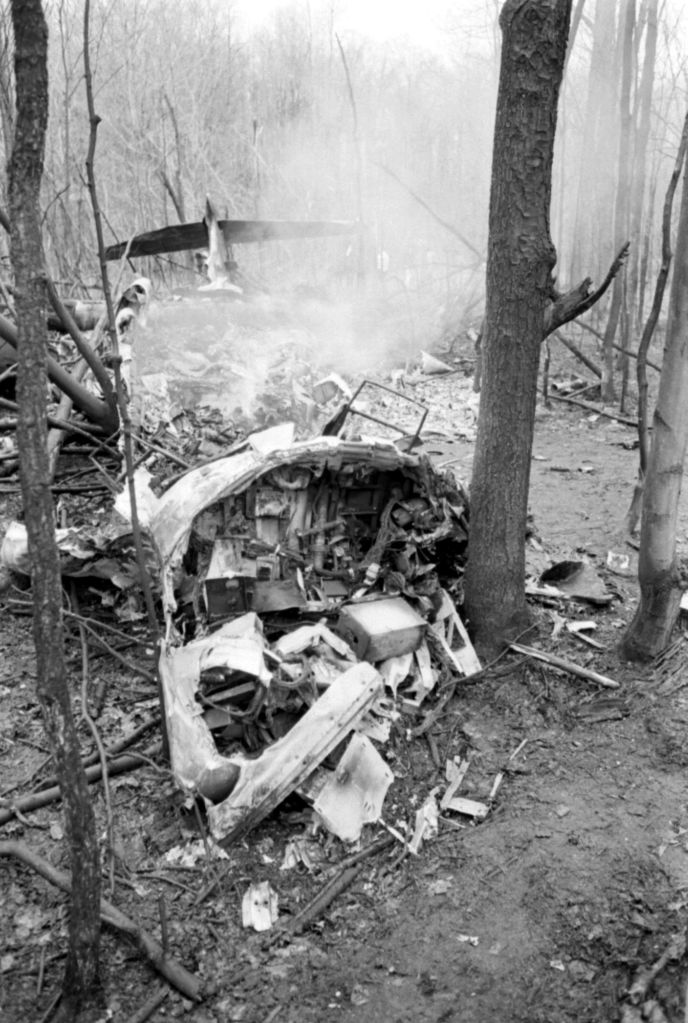
On an overcast night in May 1970, a small private jet carrying Walter Reuther, the most powerful labor leader in the U.S. and perhaps the world, crashed near Pellston, Michigan. Reuther, the president of the United Auto Workers Union (UAW), and five others were killed instantly. The officially accepted story referred to it as an accident. But half a century later, new evidence suggests something darker: the silencing of a man whose vision for labor threatened powerful enemies. His death has remained shrouded in mystery—one that cannot be separated from the Cold War struggle over unions, the CIA’s infiltration of labor, and the fierce battles within the American labor movement itself. The Assassination of Walter Reuther: Why They Did It, How We Know
About the Books
After retiring from a career in organized labor McKenzie began to explore labor’s fight over its extensive collaboration with the CIA during the Cold War. He has had two books on the subject published.
Connections within unions helped dig up long-suppressed documents. First-hand knowledge and decades of experience in the UAW provide a new perspective on labor’s dark history with government intelligence.


Recent Posts
-
They killed labor leader Walter Reuther in 1970—and now they’re trying to suppress a book about it.
https://covertactionmagazine.com/2026/05/08/labor-leader-walter-reuther-was-among-1960s-liberal-leaders-who-appear-to-have-been-assassinated-by-the-deep-state/
Social Policy https://www.socialpolicy.org/139-articles/current-issue/spring-2026/1451-organizing-outside-the-workplace-a-strategy-for-labor-s-next-era.html
Heartland Labor Forum
https://www.ivoox.com/en/was-uaw-president-walter-reuther-assassinated-and-what-audios-mp3_rf_160073912_1.html
Get in Touch
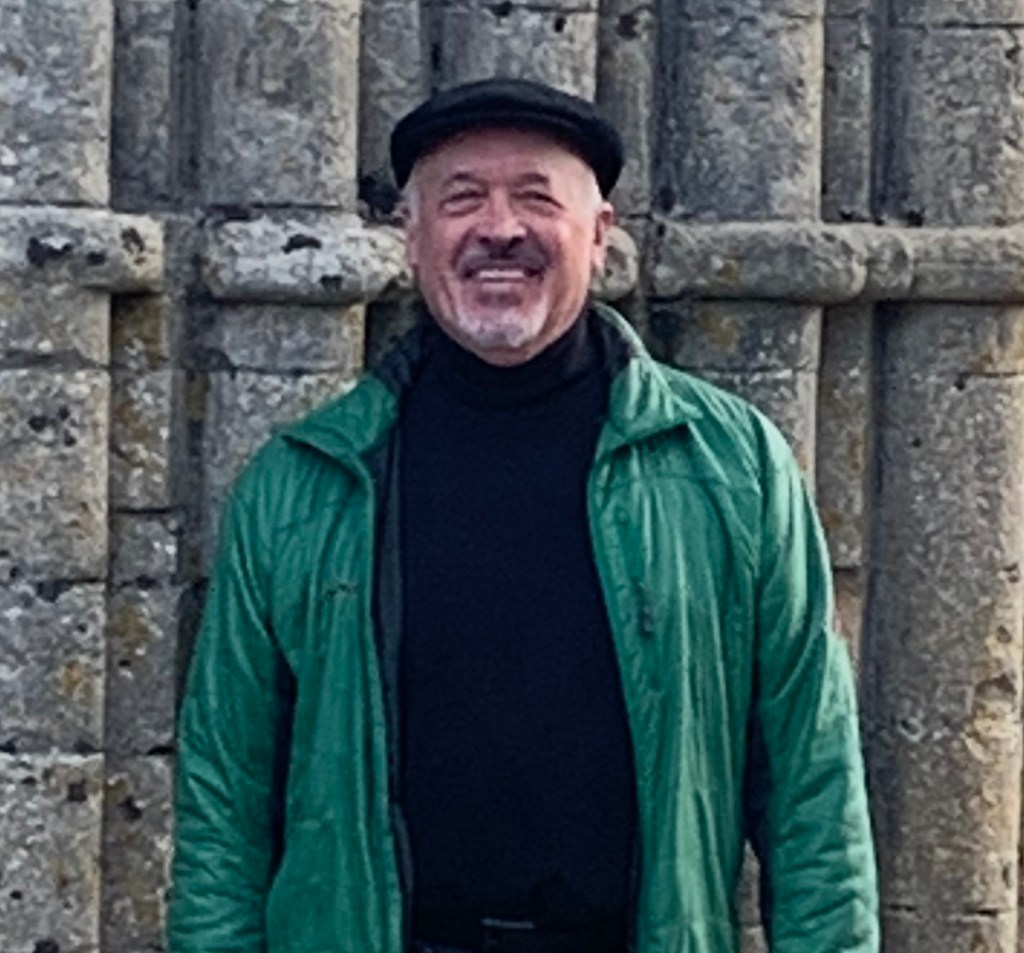
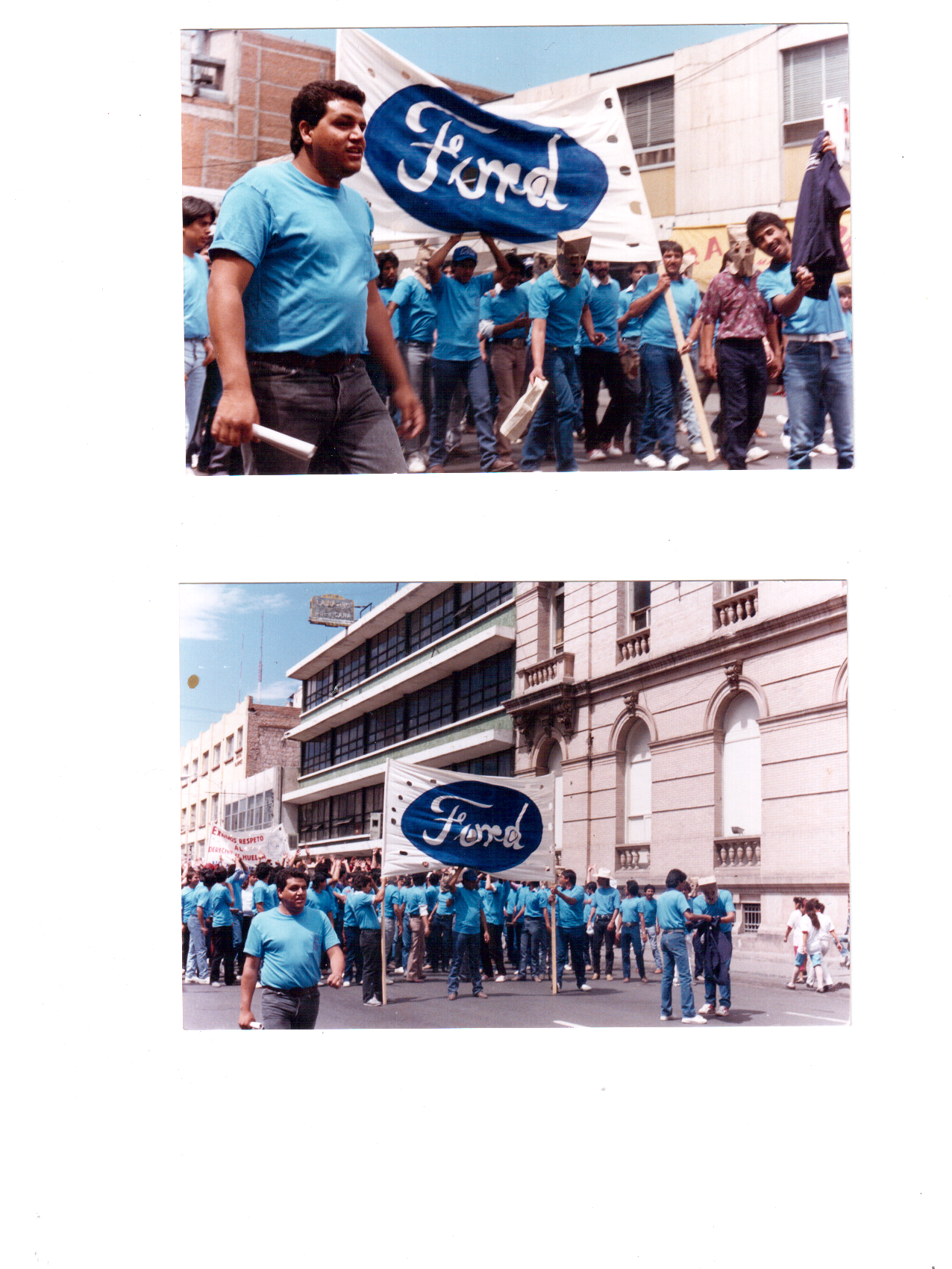
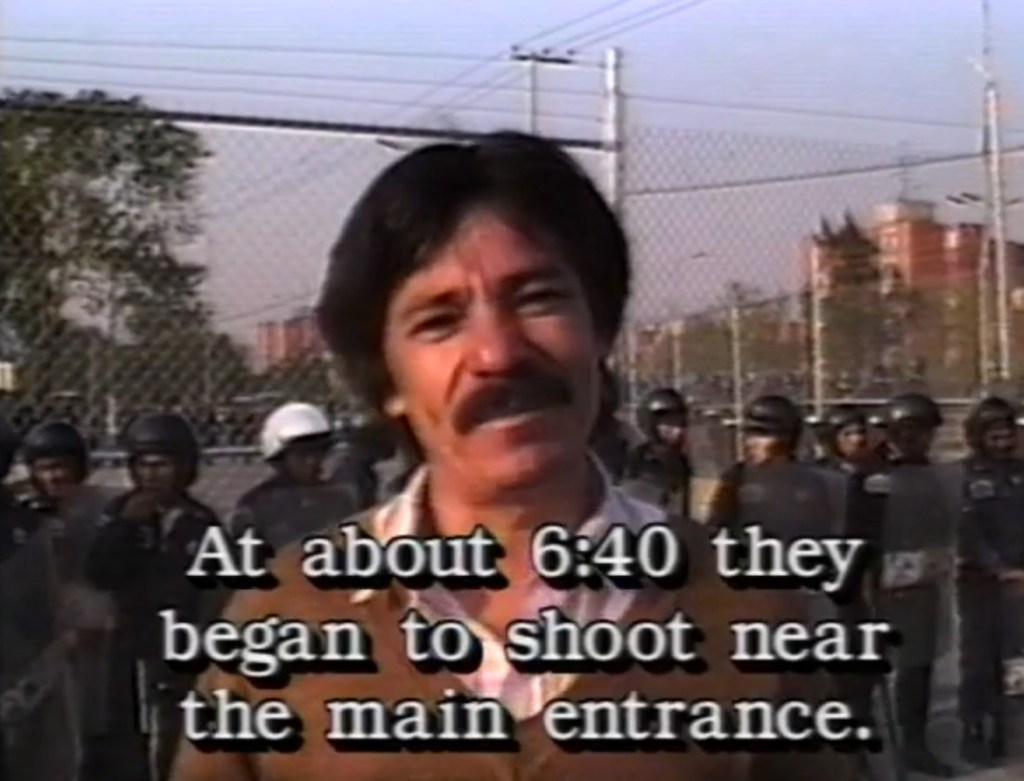
After graduating from the University of Iowa with a BA degree, I began working in Midwestern factories and pursued my interest in labor politics and organizing. In 1978, Ford Motor Co. hired me as an assembler at the Twin City Ford Assembly Plant in St. Paul, Minnesota, where I worked for 28 years as an assembler, industrial electrician, and full-time union representative. In 1998, I became President of UAW 879 at the Ford plant and was elected to that office three more times, serving from 1998 to 2006. When Ford announced their decision to close the Twin Cities Plant in 2006, I took a job on the International UAW staff as a regional servicing representative working in Minnesota, Wisconsin, and Iowa. I was elected to and served on the Minnesota State AFL-CIO Executive Board for twelve years as a multi-union representative. Additionally, I was elected secretary-treasurer of UAW Ford Sub-Council #2, a national bargaining council comprised of U.S. Ford assembly plants, from 2002 to 2006. I retired in 2016 and began researching an attack on Ford workers at a plant near Mexico City